212 + 214 Auburn St, Newton MA: what buyers should know
Important Information for Prospective Buyers of 214 Auburn Street (also listed as 212 Auburn Street), Newton, MA
If you are considering purchasing 214 Auburn Street, Newton, MA (also listed as 212 Auburn Street), we encourage you to be aware of an ongoing tree concern that may affect the property's long-term value and character.
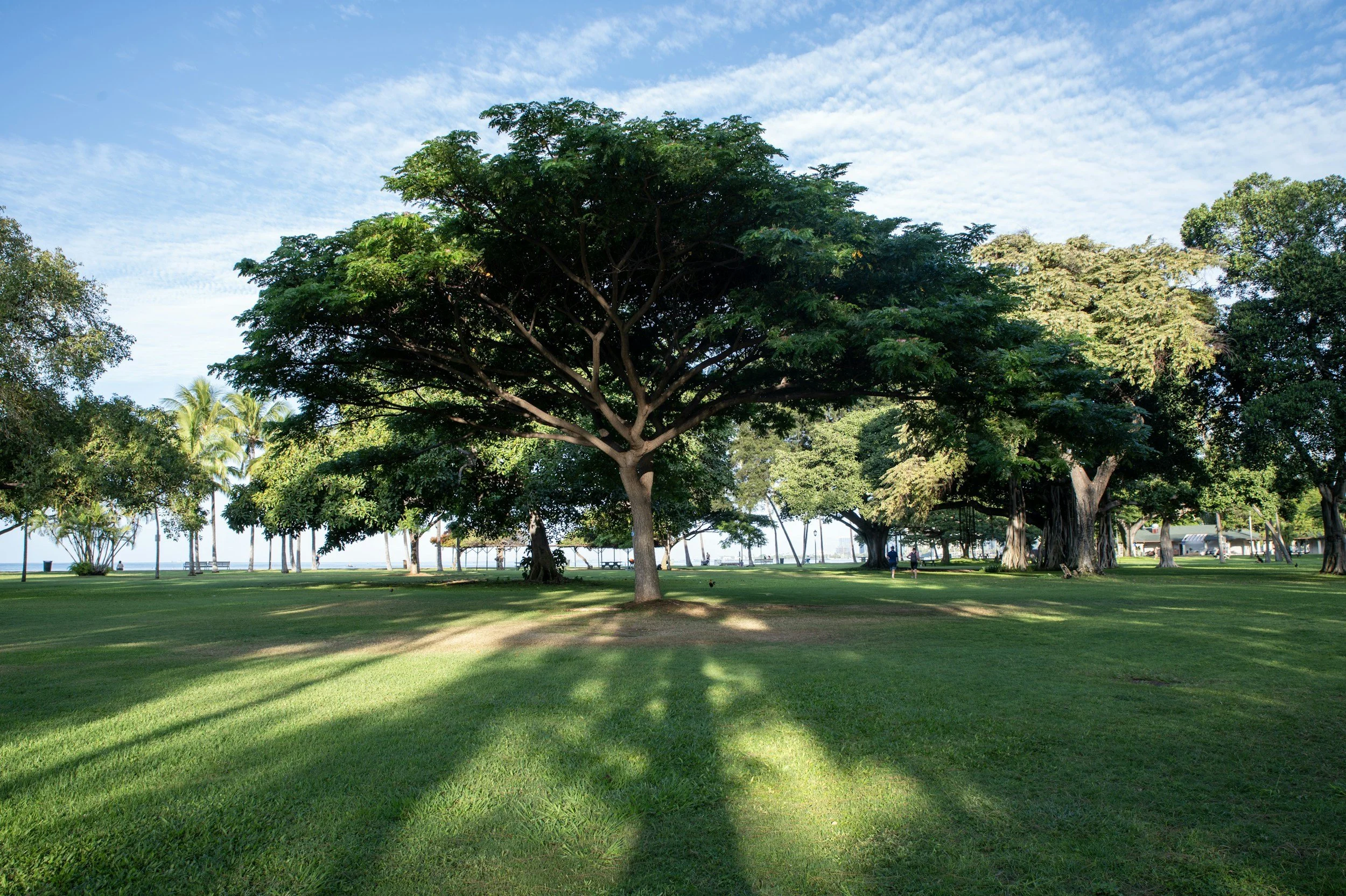
During construction at 214 Auburn Street (also permitted as 212 Auburn Street) in 2025 and 2026 by developer Sullivan Capital, significant damage occurred to mature boundary trees. These trees including sugar maples, Norway maples, and a black oak sustained root damage due to excavation that did not follow the approved tree protection plan on file with the City of Newton.
The City of Newton shut down the project twice in November 2025 and again in March 2026 due to violations of the city's tree protection ordinance. It is worth noting that the city has limited resources and relies on the arborist hired by the developer to self-report site conditions. The city does not independently verify conditions on the ground, nor does it have the power to enforce the protection plan. Its only recourse is to shut down the project and require a new report.
If construction has since resumed, that should not be taken as confirmation that the trees are safe or that the concerns have been resolved. It simply means that the developer's own arborist submitted a report stating that conditions were acceptable an assessment the city has no independent means to verify.
Importantly, construction-related tree damage can take up to 7 years to fully manifest. Trees that appear healthy today may decline significantly over time.
We also encourage you to speak with your potential future neighbors before making a decision. Auburn Street is a wonderful neighborhood and we are genuinely excited to welcome new people to it we simply want anyone moving in to have the full picture so they aren't blindsided after the fact.
We are happy to share arborist reports and city records related to this property with any prospective buyer who reaches out..
Note: This property has been listed and permitted under both 214 Auburn Street and 212 Auburn Street, Newton, MA. The information on this site applies to the same property under either address.
-
During construction in 2025, mature boundary trees — including sugar maples, Norway maples, and a black oak — sustained root damage from excavation that did not follow the approved tree protection plan on file with the City of Newton.
-
That's understandable. Root damage from construction is largely invisible — it happens underground and trees can appear completely healthy for years before showing signs of decline. Arborists call this "delayed tree decline," and it's well documented that construction damage can take up to 7 years to fully manifest. This is precisely why the City of Newton requires developers to file and follow a tree protection plan before breaking ground — so that damage is prevented in the first place, not discovered years later. In this case, that plan existed, it was approved by the city, and it was not followed. A tree that looks fine today may be structurally compromised in ways that aren't visible to the naked eye. We want prospective buyers to have this information so they can make an informed decision and ensure they are protected from any liability or costs stemming from damage the developer caused.
-
Yes. The City of Newton shut down the construction project twice — once in November 2025 and again in March 2026 — due to violations of the city's tree protection ordinance.
-
Not necessarily. Resumption only means the developer's own arborist submitted a report the city accepted — the city has no independent means to verify conditions on the ground. Construction-related root damage can take up to 7 years to fully manifest.
-
We are happy to share city records with prospective buyers who reach out. We also encourage you to speak with neighbors on Auburn Street before making a decision.
-
Under Massachusetts law, when a tree trunk straddles a property line, it is considered jointly owned by both neighboring landowners as "tenants in common." Neither party may damage, remove, or destroy the tree without the other's consent. Because several of the affected trees are boundary trees, this has implications for any future owner of the property.
-
At minimum, we'd encourage you to ask your home inspector to specifically evaluate the trees along the shared property line. Most standard home inspections don't include tree assessment — so make sure to request it explicitly and ask about root damage from nearby construction. It's a small step that could save you from a costly surprise down the road.
City of Newton — Official Tree Protection Plans
The following documents are the officially approved tree protection plans on file with the City of Newton for 214 Auburn Street. Despite being filed and approved, these plans were not followed during construction.